

 Language
 Language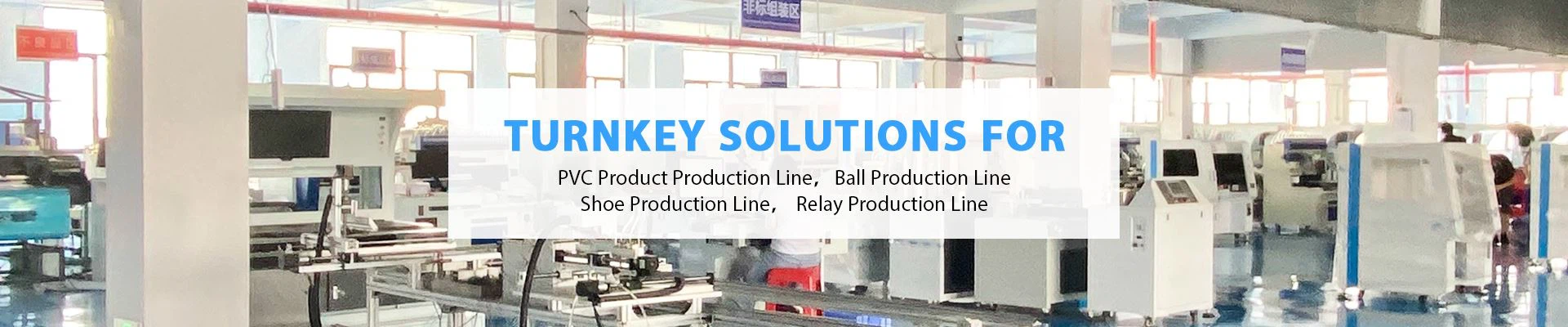
Our Factory
Youdianman (Xiamen) Intelligent Technology Co., Ltd is a wholly owned overseas trading enterprise jointly founded by three well-established Xiamen automation enterprises and is also a high-tech enterprise integrating R&D, manufacturing, sales and service in Xiamen. Youdianman company with 16 years of experience in the production and research and development of intelligent equipment, the company provides high-quality automation equipment solutions and technical support to customers all over the world。Youdianman (Xiamen) Intelligent Technology Co., Ltd is an enterprise integrating industry and trade.
Our Product
Paint dispensing, glue dispensing and diamond dispensing equipment as well as various types of testing equipment for the footwear, handicraft and hardware industries. Electromechanical integration products and solutions for ball production lines for the sports and cultural industries. Intelligent and interconnected automated shoe machine production lines for the footwear industry. Relay production lines for the electronics industry.
Production Market
Our machine is widely used in the automation industry and is generally praised by the majority of users. With excellent quality and competitive price, our products are exported to Egypt, Russia, Singapore, Thailand, Vietnam, Bangladesh, Turkey, Poland, Colombia, Indonesia, Mexico and other dozens of countries.
Production Equipment
We are capable of mixing and producing an infinite number of polyurethane compounds, and offer some of the most advanced manufacturing capabilities available, including custom molding and machining. For Polyurethane Compounds: We can precisely mix prepolymers with curatives to produce polyurethanes ranging in durometer from 5A (extremely soft) to 75D (extremely hard).
Importance of Shoe Production Line Layout for Stitching Productivity
The importance of shoe production line layout for stitching productivity is especially relevant in the footwear manufacturing industry. Here's why an optimized shoe production line layout is crucial for footwear production:
Efficient workflow
In shoe upper production, various process like marking, stitching, setting, folding etc. Make a shoe upper. An efficient shoe production line layout ensures a smooth and logical flow of these components through various workstations, minimizing bottlenecks and delays.
Reduced material handling
A well-designed layout minimizes the need for excessive material handling, reducing the risk of damage to delicate shoe components and minimizing material wastage. This is critical in an industry where high-quality materials can be expensive.
Increased output
A streamshoe production lined production shoe production line allows workers to focus on stitching tasks rather than navigating a cluttered or inefficient workspace. This can lead to increased footwear production without the need for additional resources.
Quality assurance
Footwear quality is paramount. An organized shoe production line layout allows quality control personnel to easily monitor each step of the stitching process, ensuring that the shoes meet the desired quality standards.
Quick changeovers
Footwear fashion trends change rapidly, requiring manufacturers to switch production between different shoe models efficiently. A flexible shoe production line layout makes it easier to reconfigure workstations and processes for different shoe designs.
Reduced material handling
A well-designed layout minimizes the need for excessive material handling, reducing the risk of damage to delicate shoe components and minimizing material wastage. This is critical in an industry where high-quality materials can be expensive.
Increased output
A streamshoe production lined production shoe production line allows workers to focus on stitching tasks rather than navigating a cluttered or inefficient workspace. This can lead to increased footwear production without the need for additional resources.
Quality assurance
Footwear quality is paramount. An organized shoe production line layout allows quality control personnel to easily monitor each step of the stitching process, ensuring that the shoes meet the desired quality standards.
Consistency and brand image
Consistency in product quality and design is crucial for establishing and maintaining a strong brand image in the competitive footwear market. Standardized shoe production line layouts can help achieve this consistency.
Data collection and analysis
An organized shoe production line layout facilitates data collection for performance analysis. Manufacturers can track key metrics such as production rates, defect rates, and worker efficiency, allowing for continuous process improvement. An optimized shoe production line layout is of paramount importance in footwear upper production. It contributes to efficient workflows, cost-effective production, high-quality products, and a safer work environment. These factors are crucial for maintaining competitiveness in the footwear industry, which is characterized by rapid changes in fashion trends and consumer preferences.
Despite the fact that many of the machines used to make shoes today are computerized, some factories still use manual equipment to save money and time. In other cutting-edge plants, a great many machines will be accessible, including:
Automatic sewing machine
These machines naturally join the various shoe components, like the uppers and covering. These gadgets let you watch out for individuals' advantage from your perspective and abstain from getting carried away.
Sole cutting machines
Proficient shoemakers used to need to cut their own bits of elastic or plastic for bottoms, while there are presently various foot-fueled and mechanized underside cutting machines. The process of making shoes relies heavily on this piece of equipment. Cutting presses, also known as clicker cutting machines, are utilized in the factories. One of the standard parts in each shoe handling plant is the clicker press, which should be cut for each shoe plan part.
Shoelace making machine
A particular piece of hardware called a shoelace making machine is made to wind around and make top-notch shoelaces. Depending on the organization's assembly requirements, these machines come in different sizes and configurations. One Advantage of a shoelace making machine is its capacity to consistently produce large quantities of high-quality goods. Additionally, the use of mechanized equipment lowers costs associated with challenging work and increases efficiency rates.


Automatic shoe lasting machine
These massive pieces of hardware, which are responsible for attaching the soles to the rest of the shoe, could either represent a shoe manufacturing company or the moment of truth. It is possible to last by hand, but doing so is becoming increasingly inefficient. Using these machines to quickly attach shoe soles can save you time and money.
Gluing machines
It is essential to use glue of a high quality because the paste used to assemble shoes can leave a significant impact on the final results. By automatically applying the appropriate amount of glue to both sides of the sole, this machine significantly simplifies the process.
Outsole pressing machines
The heel, sides, and bottom of the upper and sole are compressed together during the pressing process. To lay out the bond, the endured upper and connected base is much of the time put in a chiller unit. The shoe is de-lasted either manually or mechanically after being removed from the chiller unit. A shoe could go through channel sewing utilizing a unique, more powerful than usual sewing machine that can fasten through the whole upper and elastic outsole.
Dryer oven
The shoe could go through a uv light and dryer oven section to make sure there is no chance of construction improvement while it is coming.
The design process
The shoe designs process starts with research. Here, the designers do market and competitor analyses to determine the cost, material, trend, gaps, and opportunities. With this data, designers can come up with designs that will appeal to prospects. The designers then sketch and refine the shoe models and last so they are technically correct for the shoemaking process. Some shoe designers sketch by hand, while others use the software.
Making the last
As they put it, a shoe is only as good as its last. This explains why last making is a critical step in any shoe manufacturing process. A shoe last is a mold that mimics a human foot and gives the shoe its shape. Years back, the lasts were made out of wood, but today, manufacturers also use metal and plastic. A lot goes into the making of a shoe last. The last department factors in a range of aspects, including how the foot rolls during movement and how it impacts things like heel height. Lasts also come in handy in the latter stages of the shoemaking process – Where shoes are fitted on the last for modeling and to ensure they match the original design.
Stamping
Each shoe comprises more than 30 different parts using several advanced materials. During the footwear manufacturing process, these parts have to be marked to fit the design. That makes the stamping process. At this stage of shoe production, the pieces of leather that make the shaft are marked to prevent confusion during the sewing stage. Markings are made to show where eyelets will be punched. Also the edges of each shaft piece are thinned to make it easy for the pieces to be attached later on.
Sewing
The sewing stage is where the cut leather pieces are stitched together. Usually, sewing starts with pieces composing the upper before the lining. But before the sewing, the pieces of leather are often glued together at the edge to hold them in place. This prevents them from slipping out of place. The seams are then neatened following the stitching of the upper and lining. Then a toe cap and counter are fitted to reinforce the completed shaft. The counter goes at the heel, between the upper and lining, while the toe cap goes at the tip of the shoe. Depending on the types of shoes, eyelets can be punched at this stage – But can only be seen from the inside of the shoe. Shoe size is also marked at this stage.
Assembling the shoe
As the name suggests, this is where the magic happens. Assembling is a step in the shoe production process where all the pieces are put together. All the pieces, including the one that was just sewn , are fitted to form finished shoes. During assembling, the upper is bonded to the outsole. But before this happens, the insole is temporarily attached to the lasts with nails, and the rubber ridge is placed on the insole to allow the shaft to be sewn to the welt later on. Then the upper is lasted and pulled tight to give the shoe its final shape. It’s then joined with the insole with hot glue and nails. This process takes about 1.5 hours to 2 weeks to complete.
Stitching the welt to the upper and the lining
At this stage, the welt is sewn around the edge of a shoe upper and rubber ridge. Then using a Goodyear stitching machine, it’s fitted in a single step with the rubber ridge, lining, and upper. In this case, the stitch is called a Goodyear stitch, which is the name for men’s shoes made through this production method. Other construction options include Adhesive and Blake.
Adding shank for reinforcement
A shank is placed under the foot arch, between insole and outsole. It’s meant to offer support to the foot and give the shoe structure. Shanks are made out of plastic, Kevlar, fiberglass, and steel and give the shoe boots their shape. Then a filler layer made out of cork (or any flexible material) is introduced to even out the indentations in the inner surface. Glue is later applied to the welt and the inner sole attached to it. Finally, a Goodyear outsole-stitching machine is used to sew the insole and welt together. After assembling, the pins (if any) used to secure the upper from slipping are removed. The resulting holes can either be sealed or skillfully integrated into shoe. Sealing is often done for smooth leather shoes. Then the heel edge and outsole are rubbed, and the visible part of the welt is decorated. The sole tips and heel are dyed and double seam compacted. Lastly, the shoe company puts in a half-insole with the brand’s logo before subjecting the shoe to a thorough cleaning.
The shoe room
The shoe room is the last stop, and is where the manufacturer hands the shoe over to the finisher who removes the last. The finisher gets rid of any minor imperfections, and makes the shoe beautiful. The shoe is then packaged and shipped to client.
The application of automation equipment in the footwear manufacturing process primarily focuses on various stages of the production shoe production line, including cutting, sewing, gluing, and assembling. These devices can automatically complete a series of complex shoe-making procedures, significantly enhancing production efficiency and capacity. For example, automated cutting machines can cut materials according to design blueprints, saving labor and time costs; Automated sewing machines can perform high-speed sewing, improving production efficiency and sewing quality; Automated gluing equipment ensures strong adhesion of the soles, enhancing the product’s quality and durability. By introducing automation equipment, shoe factories can achieve intelligent and standardized production processes, improving production efficiency and product quality, minimizing human errors during production, and enhancing product consistency and traceability.
To address challenges, shoe factories can enhance their technological research and development, improve their capacity for innovation, and reduce dependence on technology; strengthen equipment maintenance to extend its lifespan; And increase efforts to train and recruit technical personnel, building a professional technical team to enhance the company’s core competitiveness. By effectively addressing these challenges, shoe factories can better utilize automation equipment, achieving intelligent and standardized production processes, and enhancing their competitiveness and capacity for sustainable development.
In the future, as technology continues to develop and the shoe industry undergoes continuous transformation, the footwear manufacturing process will evolve toward more intelligent, flexible, and eco-friendly directions. First, in terms of the application of automation equipment, shoe factories will further invest in smart devices to achieve automated and intelligent footwear manufacturing processes, enhancing production efficiency and capacity.
Design Optimization
Efficient design can significantly impact manufacturing costs. Simplifying designs, reducing the number of components, and standardizing patterns can minimize material waste and labor expenses. Use computer-aided design (CAD) software to streamline the design process and identify opportunities for cost savings.
Material Sourcing and Procurement
Partner with reliable suppliers to negotiate favorable pricing for raw materials. Consider purchasing materials in bulk to take advantage of volume discounts. Explore alternative materials that offer similar quality and performance at a lower cost. Conduct thorough research and testing to ensure that cost-saving measures do not compromise product quality.
Production Efficiency
Implement lean manufacturing principles to optimize production processes and reduce waste. Minimize idle time, improve workflow, and eliminate non-value-added activities. Invest in automation and technology to improve efficiency and productivity. Automated cutting, stitching, and assembly processes can reduce labor costs and increase throughput.
Quality Control and Waste Reduction
Implement rigorous quality control measures to identify and address defects early in the production process. Preventing defects can reduce rework costs and minimize material waste. Train employees on quality standards and best practices to ensure consistent product quality. Encourage a culture of continuous improvement and empower employees to identify cost-saving opportunities.
Energy and Resource Management
Implement energy-efficient practices to reduce utility costs. Invest in energy-efficient lighting, heating, and cooling systems, and optimize equipment settings for maximum efficiency. Minimize water usage and waste by implementing recycling and reuse programs. Consider implementing sustainable practices such as rainwater harvesting and wastewater treatment.
Supply Chain Optimization
Streamline supply chain processes to reduce lead times and minimize inventory holding costs. Work closely with suppliers to improve forecasting accuracy and reduce stockouts. Consider implementing just-in-time (JIT) inventory management practices to minimize inventory carrying costs. Maintain close relationships with key suppliers to ensure timely delivery of materials.
Transportation and Distribution
Optimize transportation routes and modes to minimize shipping costs. Consolidate shipments, use freight optimization software, and negotiate favorable rates with carriers. Explore alternative distribution channels, such as e-commerce and direct-to-consumer sales, to reduce distribution costs and reach customers more efficiently. Effectively controlling costs in shoe manufacturing requires a comprehensive approach that addresses all aspects of the production process. By optimizing design, sourcing, production, quality control, resource management, supply chain, and distribution, manufacturers can reduce expenses, improve profitability, and maintain competitiveness in the market. Continuous monitoring, analysis, and improvement are essential for identifying new cost-saving opportunities and ensuring long-term success in the industry.
Youdianman (Xiamen) Intelligent Technology Co., Ltd is a wholly owned overseas trading enterprise jointly founded by three well-established Xiamen automation enterprises and is also a high-tech enterprise integrating R&D, manufacturing, sales and service in Xiamen. Youdianman company with 16 years of experience in the production and research and development of intelligent equipment, the company provides high-quality automation equipment solutions and technical support to customers all over the world。Youdianman (Xiamen) Intelligent Technology Co., Ltd is an enterprise integrating industry and trade. The company adheres to the concept of "survival by quality, development by integrity" and the purpose of "pursuing quality and achieving win-win with customers", constantly innovating and making progress, providing customers with high-quality automation equipment and technical services!

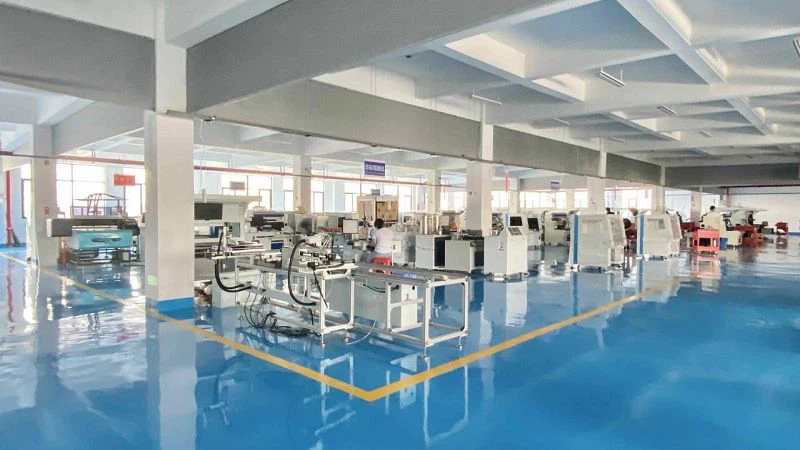
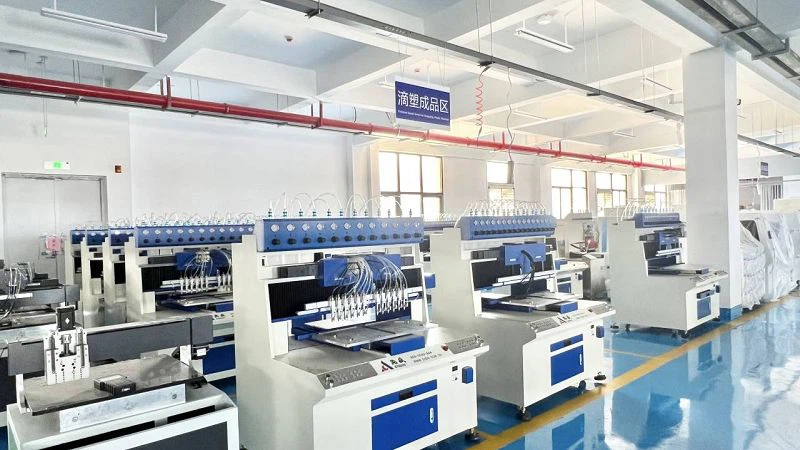
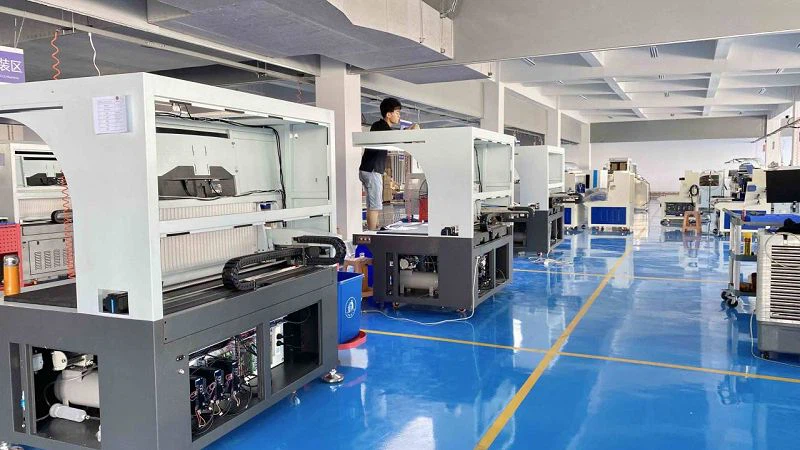

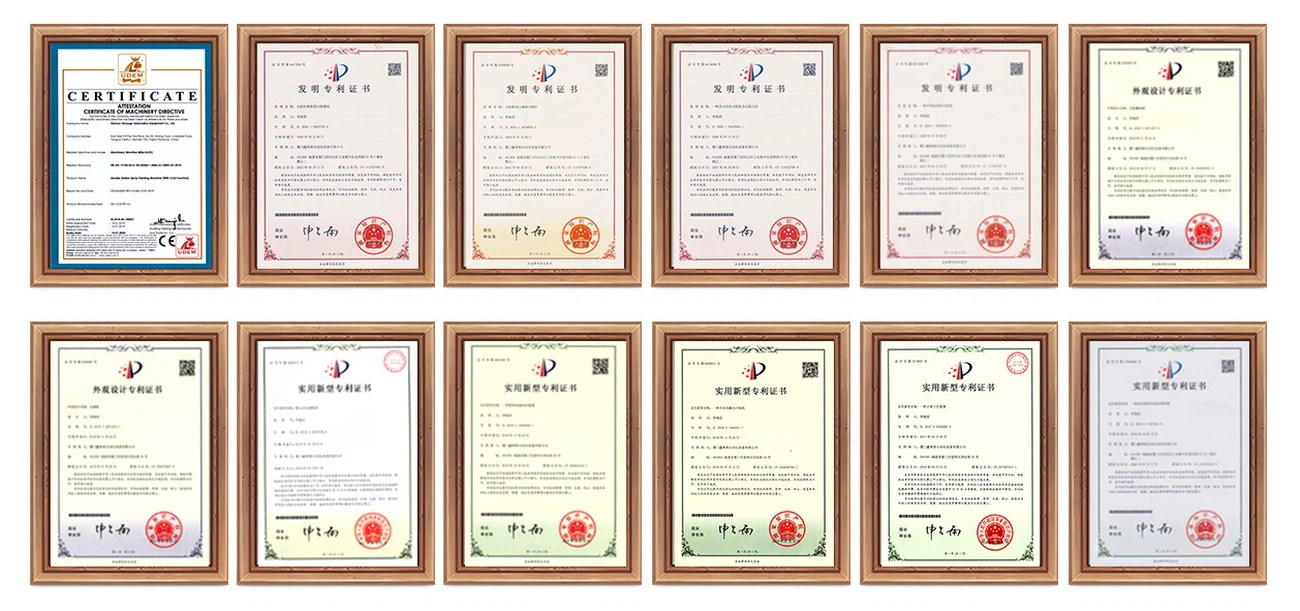
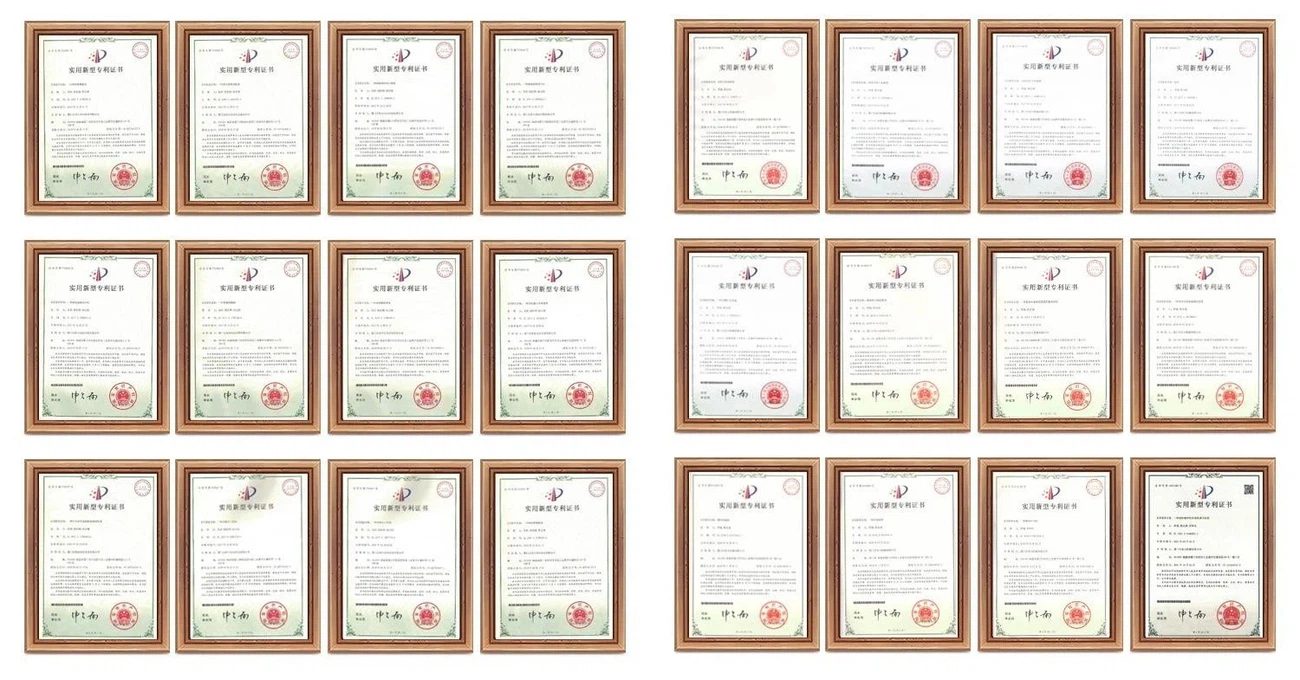
We're well-known as one of the leading shoe production line manufacturers and suppliers in China. Please feel free to buy high quality shoe production line at competitive price from our factory. For customized service, contact us now.
Laminated PU Basketball Making Machine, Badge paint dispenser(0/10)
